Product Information
Language is one of the most complex and fascinating systems of human communication. With the advancement of information technology and artificial intelligence, researchers and linguists are increasingly exploring ways to enable computers to understand and process human language effectively. This growing field of study is known as Computational Linguistics, a discipline that bridges linguistics, computer science, and artificial intelligence.
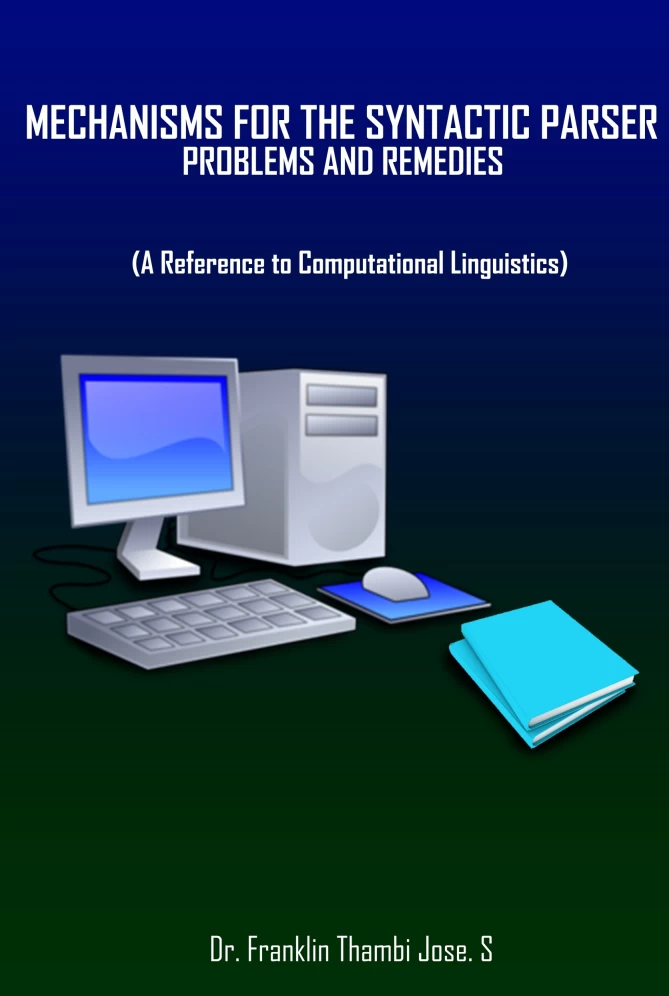
“Mechanisms for the Syntactic Parser: Problems and Remedies” by Dr. Franklin Thambi Jose. S provides an in-depth academic exploration of syntactic parsing and its role in computational linguistics. The book explains how computational systems analyze linguistic structures by breaking sentences into phrases and clauses while identifying their grammatical relationships.
The text introduces readers to the fundamental concepts of Natural Language Processing (NLP), computational morphology, and syntactic analysis. Each chapter is carefully structured to guide readers through theoretical foundations, computational mechanisms, and practical linguistic analysis methods.
A major highlight of this book is the development of computational mechanisms for parser identification, where linguistic frameworks are applied to analyze sentences systematically. The author also examines common challenges faced in syntactic parsing and offers practical remedies and solutions for researchers and scholars working in computational linguistics.
This book is particularly valuable for students, researchers, linguists, and language technology professionals who are interested in understanding how computational tools interact with linguistic structures. The clear explanations, structured chapters, and practical illustrations make it a useful reference for academic study and research.
Published by Rigi Publication, this book contributes to the advancement of linguistic and computational research by providing a comprehensive resource for understanding syntactic parsing mechanisms and their applications in natural language processing.
Keypoints:
- Comprehensive introduction to Computational Linguistics and NLP
- Detailed explanation of syntactic parsing and linguistic analysis
- Includes parser identification mechanisms with examples
- Discusses practical problems and remedies in syntactic parsing
- Ideal reference book for research scholars, linguists and AI language researchers
Bullets:
- Explores syntactic parsing techniques used in Natural Language Processing
- Ideal academic reference for Computational Linguistics students and researchers
- Includes structured explanations of computational morphology and syntax
- Provides practical frameworks to identify parser mechanisms
- Published by Rigi Publication – trusted academic and research publisher
Information
| Format | Paperback , EBook |
|---|---|
| ISBN No. | 9789384314163 |
| Publication date | 03 December 2015 |
| Publisher | Rigi Publication |
| Publication City/Country: | India |
| Language | English |
| Book Pages | 112 |
| Book Size | 5.5" x 8.5" |
| Book Interior | Black & white interior with white paper (Premium Quality) |
About Author
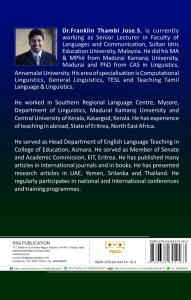
Dr. Franklin Thambi Jose. S is a respected academician and linguistics researcher currently serving as Senior Lecturer in the Faculty of Languages and Communication at Sultan Idris Education University, Malaysia.
He completed his MA and MPhil from Madurai Kamaraj University and earned his PhD in Linguistics from the Centre for Advanced Studies (CAS), Annamalai University. His academic expertise lies in Computational Linguistics, General Linguistics, TESL (Teaching English as a Second Language), and Teaching Tamil Language & Linguistics.
Dr. Franklin has dedicated his academic career to exploring the intersection of language, technology, and computational analysis, contributing to research that enhances the understanding of how machines process human language.
Through this book, he shares his research insights and linguistic frameworks to support students, linguists, and researchers working in computational linguistics and natural language processing.
Reviews (20)
Hrishikesh Rao Thaker
2026-03-20 10:45:32Highly immersive experience.
The atmospheric writing style makes you feel like you are actually there. A truly outstanding achievement.
Neha Kakar
2026-04-01 23:45:32Brilliantly executed!
The narrative structure is unique and works perfectly. A refreshing and exciting read.
Nakul Dev Mohabir
2026-02-20 15:45:32Deeply emotional.
This book touched my soul. The relationships are complex and portrayed with stunning realism.
Zahir Rao Iyengar
2026-06-03 21:45:32An absolute treasure.
I will be recommending this book to all of my friends. It is a rare gem that deserves all the praise.
Raghavan Ram Mathew
2026-05-12 16:45:32Spectacular and insightful.
Not only is it a great story, but it also offers fascinating insights. I learned a lot while thoroughly enjoying it.
Hira Varkey
2026-04-25 17:45:32Stunning work of art.
The prose is lyrical and the pacing is perfect. A book to read slowly and savor.
Richa Mathew
2026-02-20 01:45:32Pure reading joy!
It is fun, energetic, and kept me up way past my bedtime. I could not put it down!
Richa Biyani
2026-04-09 20:45:32Power and grace.
An honest and deeply moving story that doesn't pull any punches. Outstanding character development.
Mowgli Chandra Wali
2026-03-17 12:45:32A captivating journey.
A wonderful blend of adventure, emotion, and intellect. A highly rewarding experience.
Emran Palla
2026-05-11 13:45:32Flawless pacing.
I read this in one sitting. Every chapter ends on a hook, and the characters are instantly memorable.
Pradeep Pratap Chia
2026-05-17 09:45:32A true masterpiece!
I couldn't put this book down. The character development was phenomenal, and the plot kept me guessing until the very end.
Nikita Kara
2026-05-31 06:45:32Beautifully written and deeply moving.
The author has a wonderful way with words. Every sentence feels crafted with care. Highly recommend to everyone.
Niyati Jaswant More
2026-06-22 16:45:32An absolute must-read.
This book completely blew me away. The pacing was perfect, and the emotional depth was incredible.
Anjana Ganguly
2026-06-29 20:45:32Highly engaging and thought-provoking.
A fantastic read! It really makes you think about the choices we make and how they impact our lives.
Vimala Harbhajan Mishra
2026-05-19 22:45:32Captivating from the first page!
From the opening chapter, I was hooked. The writing is vivid and the storyline is incredibly engaging.
Rashid Singh Dar
2026-07-14 02:45:32An exceptional read.
A beautifully written book that will stay with me for a long time. Definitely one of my favorites of the year.
Kalyan Randhawa
2026-03-19 22:45:32Highly recommend!
This was such a fun and engaging read. The characters are so relatable, and the story is very well-paced.
Umar Raman
2026-06-17 19:45:32Brilliant storytelling.
I loved the world-building and the complex characters. The author did a fantastic job keeping the reader engaged.
Heer Sastry
2026-04-23 12:45:32A delightful surprise.
I wasn't sure what to expect, but this turned out to be an amazing book. Highly recommend.
Aadish Singh Mehta
2026-06-02 11:45:32Compelling and well-paced.
A fast-paced read with lots of twists and turns. Perfect for a weekend read.
More Books in English
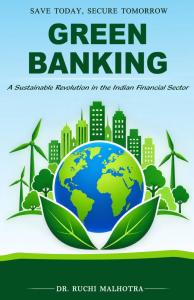
Green Banking: A Sustainable Revolution in the Indian Financial Sector | Dr. Ruchi Malhotra
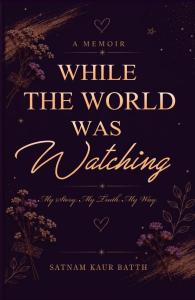
WHILE THE WORLD WAS WATCHING - A Teen's Journey Through School, Friendship, Sports, Growing Up and Finding Myself By Satnam Kaur Batth
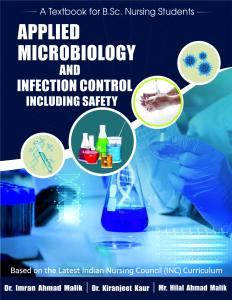
Applied Microbiology and Infection Control Including Safety - A Textbook for B.Sc. Nursing Students
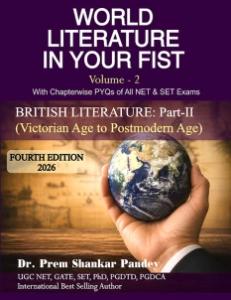
WORLD LITERATURE IN YOUR FIST Volume - 2 | Fourth Edition 2026 | British Literature: Part II — Victorian Age to Post-Modern Age | A Comprehensive Guide for NTA UGC NET, JRF, SET, GATE, GSET, MHSET, KSET & APSET English Literature | Dr. Prem Shankar Pandey

The Stress Reset - A Practical Journey Through Yoga, Meditation, Mindful Thinking and Inner Balance by Aaeyusha | Rigi Publication
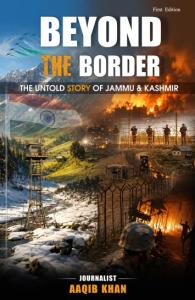
Beyond the Border: The Untold Story of Jammu & Kashmir By Journalist Aaqib Khan | Rigi Publication
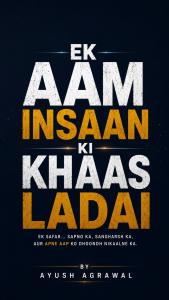
EK AAM INSAAN KI KHAAS LADAi By Ayush Agrawal
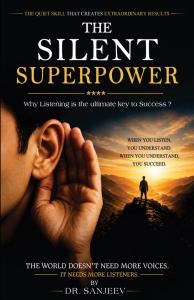
The Silent Superpower: Why Listening Is the Ultimate Key to Success By Dr. Sanjeev | Rigi Publication
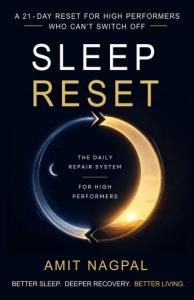
SLEEP RESET | A 21-Day Protocol for High Performers Who Can't Switch Off | Amit Nagpal | Rigi Publication
7 Habits That Can Change a Student’s Life
More Books in Computational Linguistics
Speak Spontaneous English: Complete Beginner to Fluent Speaking Guide by Gita Iyer | Best English Learning Book | Rigi Publication
Operating System Concepts | A Student-Friendly Guide to Core OS Principles, Problem Solving & Competitive Exam Success | Vikram Sindhu S | Rigi Publication
Yoga Da Teeja Ang - 2nd Edition | Punjabi Yoga & Sports Science Book By Dr. Gurpal Singh Sandhu & Dr. Rajwinder Pal Singh | Rigi Publication | Best Yoga Book for Athletes
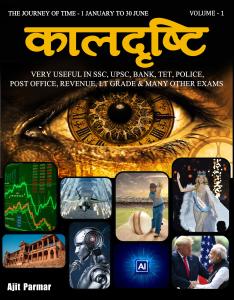
Kaaldrishti Bhag 1: Daily Current Affairs, GK Facts & Exam Booster (Jan–June) for UPSC, SSC, Banking & Govt Exams | Rigi Publication
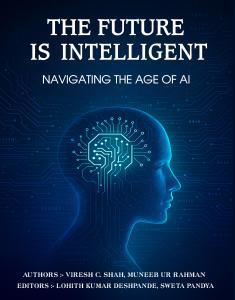
The Future is Intelligent: Navigating the Age of AI – How Artificial Intelligence is Reshaping Our World
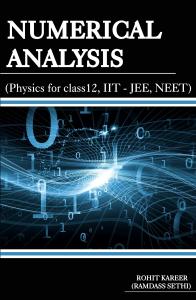
Numerical Analysis (Physics for Class 12, IIT-JEE, NEET) – Fully Solved Numerical Book with Formulae & Concept Guide | Rohit Kareer | Rigi Publication
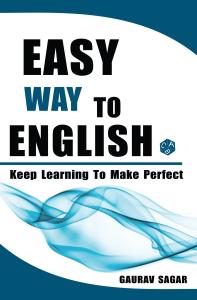
Easy Way to English: A Beginner-Friendly Guide to Learn English Easily and Effectively
RIGI's Smart Futuristic English Communications Dictionary (SFECD): The Ultimate Abbreviation Guide for CEOs, Professionals & Global Leaders – Master Business English Faster with 2000+ Time-Saving Shortcuts
Research Dynamics Volume - 2 AI AND THE FUTURE | Prof. Abhijit Ghosh, Dr. Chandrasen Jangde, Dr. Shashi Kumar Markande, Abhishek Bajaj
Research Dynamics
You May Also Like
Green Banking: A Sustainable Revolution in the Indian Financial Sector | Dr. Ruchi Malhotra
WHILE THE WORLD WAS WATCHING - A Teen's Journey Through School, Friendship, Sports, Growing Up and Finding Myself By Satnam Kaur Batth
DHUNDHLA CHEHRA - A Punjabi Novel of Memories, Relationships, Unspoken Emotions and the Echoes of the Past | Varinderjit Singh Nahar | Rigi Publication
WORLD LITERATURE IN YOUR FIST Volume - 2 | Fourth Edition 2026 | British Literature: Part II — Victorian Age to Post-Modern Age | A Comprehensive Guide for NTA UGC NET, JRF, SET, GATE, GSET, MHSET, KSET & APSET English Literature | Dr. Prem Shankar Pandey
The Stress Reset - A Practical Journey Through Yoga, Meditation, Mindful Thinking and Inner Balance by Aaeyusha | Rigi Publication
Beyond the Border: The Untold Story of Jammu & Kashmir By Journalist Aaqib Khan | Rigi Publication
The Silent Superpower: Why Listening Is the Ultimate Key to Success By Dr. Sanjeev | Rigi Publication
SLEEP RESET | A 21-Day Protocol for High Performers Who Can't Switch Off | Amit Nagpal | Rigi Publication
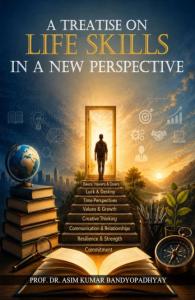
A Treatise on Life Skills in a New Perspective | Life Skills, Leadership & Personal Growth | Prof. Dr. Asim Kumar Bandyopadhyay